
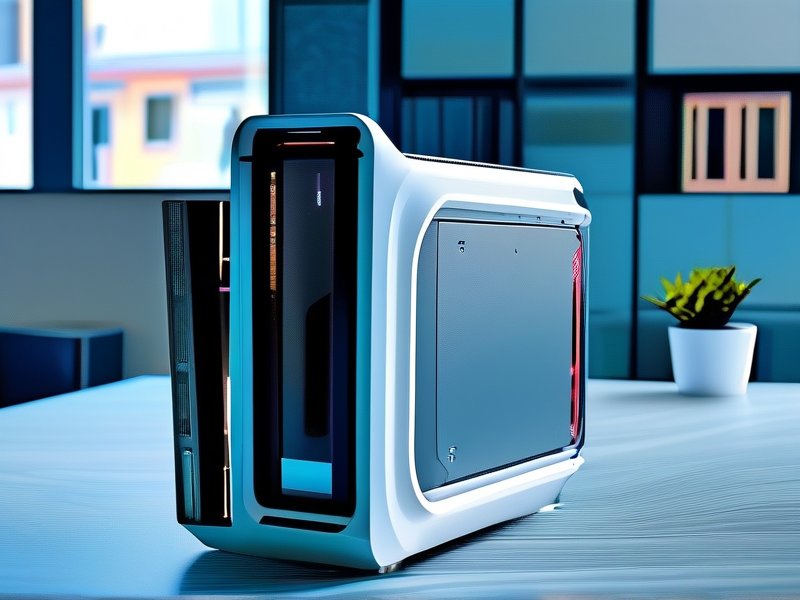
Introduction to Cloud Phones: The Future of Seamless Connectivity
In an era where seamless connectivity is paramount, the concept of a cloud phone emerges as a transformative solution. Unlike traditional mobile devices tied to physical hardware, cloud phones operate entirely in the cloud, delivering a virtual experience that transcends geographical and hardware limitations. This technology empowers users to access their phone environment—apps, data, and settings—from any connected device, anywhere in the world. Imagine working on your laptop, then seamlessly switching to your tablet or smart TV to continue a task without missing a beat. This is the promise of virtual mobility, and it starts with embracing cloud-based devices like the EdgeNode Cloud Phone.
Cloud phones are not just a novelty; they represent a paradigm shift in how we interact with technology. By decoupling the user experience from physical constraints, they offer unmatched flexibility, security, and scalability. Whether you’re a remote worker needing constant access to business apps, a gamer seeking uninterrupted play, or a traveler avoiding bulky devices, this technology redefines what’s possible.
Core Advantages of Cloud-Based Mobile Solutions
The shift to cloud phones unlocks several compelling benefits that cater to both personal and professional users. Let’s explore the most impactful advantages:
- Unlimited Scalability: With cloud infrastructure, resources like storage and processing power can be scaled up or down instantly. Need more RAM to run multiple apps simultaneously? Simply adjust your plan without upgrading hardware.
- Device-Independent Access: Use your cloud phone on any screen—smartphone, laptop, smartwatch, or even a smart mirror. Your environment follows you, not the other way around.
- Enhanced Security: Data resides on secure cloud servers, reducing risks of physical device theft. Features like encrypted sessions and multi-factor authentication add another layer of protection.
- Cost Efficiency: Eliminate the need for multiple high-end devices. A single cloud subscription can replace several hardware investments over time.
For example, a digital nomad could use their cloud phone to manage work emails on a laptop at a café, stream movies on a hotel TV, and make calls via a smart speaker—all while keeping their personal smartphone safely tucked away. This adaptability is revolutionizing how we approach mobile computing.
Practical Applications and Use Cases
Cloud phones aren’t just theoretical—they’re already solving real-world problems. Here are three key scenarios where this technology shines:
1. Remote Work and Collaboration
Telecommuters often juggle multiple devices for emails, video calls, and productivity apps. A cloud phone consolidates these needs. Imagine hosting a Zoom meeting on your desktop while drafting reports on your tablet—all powered by a single virtual device. This setup ensures continuity, even during unexpected connectivity drops. Many platforms, like EdgeNode’s cloud phone service, offer enterprise-grade features such as app isolation to separate work and personal data.
2. Gaming and Entertainment
Cloud gaming has proven its worth, and cloud phones take this further. Gamers can stream graphically intensive titles to low-end devices without lag. Similarly, media enthusiasts can access their entire entertainment library—movies, music, and podcasts—on any screen. For instance, starting a Netflix show on a phone and finishing it on a living room TV becomes effortless.
3. Business Continuity and Disaster Recovery
Businesses can leverage cloud phones to ensure operational resilience. If a physical device is lost or damaged, critical apps and data remain intact on the cloud. IT teams can also deploy company-approved environments instantly, reducing downtime during system failures. This is particularly valuable for industries like logistics or healthcare, where constant connectivity is non-negotiable.
Choosing the Right Cloud Phone Solution
With various providers in the market, selecting the optimal cloud phone service requires careful evaluation. Consider these factors:
- Performance Metrics: Look for specs like dedicated RAM (4GB+ recommended for multitasking), storage capacity, and network latency.
- Security Protocols: Verify encryption standards, data sovereignty options (where your data is stored), and compliance certifications (e.g., GDPR, HIPAA).
- Compatibility: Ensure the service works with your preferred devices and operating systems (iOS, Android, Windows).
- Cost Structure: Compare pricing models—some providers charge per hour of usage, while others offer flat monthly rates.
A standout example is the EdgeNode Cloud Phone, which offers:
- Up to 8GB RAM and 128GB storage
- Low-latency streaming optimized for gaming and video calls
- Compliance with global data privacy regulations
- A free trial to test features before committing
Maximizing Your Cloud Phone Experience
To get the most out of your cloud phone, follow these tips:
- Use High-Speed Internet: A stable 5G or Wi-Fi connection ensures smooth performance. Avoid tasks requiring real-time interaction (e.g., competitive gaming) on unstable networks.
- Customize Your Environment: Install apps that complement your workflows. For productivity, pair tools like Slack, Trello, and Google Workspace for a streamlined experience.
- Enable Offline Features: Some services let you cache essential apps and files for limited offline use. This is ideal for travel or remote areas.
- Regularly Backup Data: Even though data is stored in the cloud, schedule automated backups to guard against accidental deletions.
One innovative use case involves using a cloud phone for app testing. Developers can run beta versions of software on a virtual device without risking their primary setup, all while accessing logs and diagnostics remotely.
Conclusion: Embracing the Cloud-First Future
The rise of cloud phones marks a pivotal moment in mobile technology. By abstracting the user experience from physical hardware, they offer unmatched freedom, security, and efficiency. Whether you’re a professional seeking productivity tools, a gamer chasing high-performance setups, or a consumer tired of device limitations, this technology addresses core pain points while paving the way for future innovations.
As adoption grows, expect to see deeper integrations with AI assistants, IoT devices, and extended reality (XR) platforms. For now, taking the plunge with a service like the EdgeNode Cloud Phone can be a game-changer. The era of virtual mobility is here—and it’s time to embrace it.