
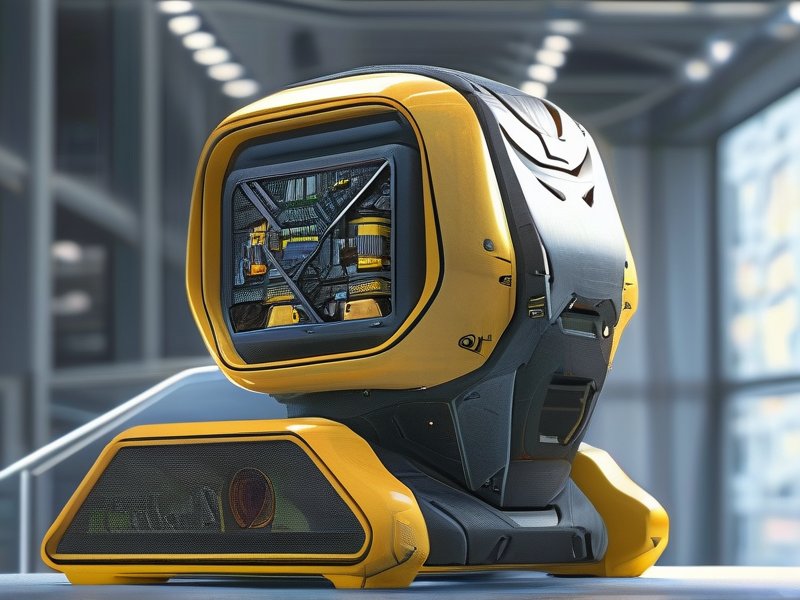
Understanding Cloud PCs: Beyond the Traditional Desktop
In an era where workspaces are as fluid as the internet itself, cloud PCs are redefining productivity. Unlike traditional desktops or laptops tied to physical locations, a cloud PC is a virtual workstation hosted entirely in the cloud. Users access it via any internet-connected device—smartphone, tablet, or thin client—while the heavy lifting of processing, storage, and software execution happens remotely on powerful servers. This paradigm shift offers unmatched flexibility, enabling employees to work seamlessly from coffee shops in Tokyo to co-working spaces in Berlin.
Key advantages include:
- Cost Efficiency: Eliminate hardware upgrades and IT infrastructure costs by leveraging pay-as-you-go cloud models.
- Scalability: Instantly provision high-performance resources for intensive tasks like video editing or AI modeling.
- Security: Centralized data management reduces risks associated with physical device theft or loss.
For example, marketing agencies can equip freelance designers with cloud PCs that provide access to Adobe Creative Suite without requiring expensive local hardware. This model ensures consistency across projects while maintaining data security through encrypted cloud storage.
Technological Breakthroughs Driving the Cloud PC Revolution
The rapid adoption of cloud PCs is fueled by advancements in three core areas:
1. Edge Computing Integration
Latency-sensitive applications like real-time collaboration tools or VR environments benefit from edge nodes located closer to end-users. Platforms like EdgeNode Cloud PC leverage edge infrastructure to deliver sub-20ms response times, making cloud-based gaming or CAD modeling feasible even in remote locations.
2. 5G Network Expansion
With global 5G coverage reaching 60% of the population by 2025, mobile users now experience speeds previously limited to wired connections. This enables true mobile productivity—think field engineers accessing AutoCAD blueprints via rugged tablets while troubleshooting machinery onsite.
3. AI-Powered Resource Optimization
Machine learning algorithms now dynamically allocate computing resources based on real-time demand. During peak hours, cloud PCs automatically upscale GPU capacity for rendering tasks before reverting to cost-effective CPU-only configurations during off-peak periods.
These innovations have reduced the average cost of cloud PC deployments by 40% since 2020, according to Gartner, while improving performance consistency by 35%.
Implementing Cloud PCs: Best Practices for Enterprise Success
While the technical foundations are robust, successful cloud PC adoption requires strategic planning. Here are actionable steps to maximize ROI:
- Conduct a Workload Audit: Categorize tasks by required resources (CPU/GPU intensity, data sensitivity) to determine which applications truly benefit from cloud delivery.
- Choose Purpose-Built Platforms: Look for solutions like EdgeNode Cloud PC that offer:
- OS customization (Windows 11/10, Linux variants)
- GPU passthrough for CUDA-enabled applications
- Multi-factor authentication and air-gapped zones for regulated industries
- Optimize User Experience: Implement Quality of Service (QoS) policies to prioritize critical applications during peak usage. Use predictive analytics to identify and preemptively troubleshoot latency spikes.
- Hybrid Architecture: Maintain local caching for frequently used files while keeping master copies in the cloud to balance performance and redundancy.
A case in point: A global pharmaceutical company implemented cloud PCs for its 15,000 researchers. By segmenting workloads into secure cloud environments, they achieved:
- 98% reduction in on-premise hardware maintenance
- 25% faster collaboration across time zones
- ISO 27001 compliance maintained through centralized security policies
As we move toward an AI-driven future, cloud PCs will increasingly become the backbone of digital workspaces. Innovations like holographic interfaces and ambient computing will further blur the lines between physical and virtual work environments. Organizations that strategically adopt these technologies today will not only future-proof their infrastructure but also gain a competitive edge in attracting talent in the global gig economy.
Ready to experience the next era of computing? Explore EdgeNode Cloud PC’s enterprise solutions designed to power your workforce anywhere, anytime.