
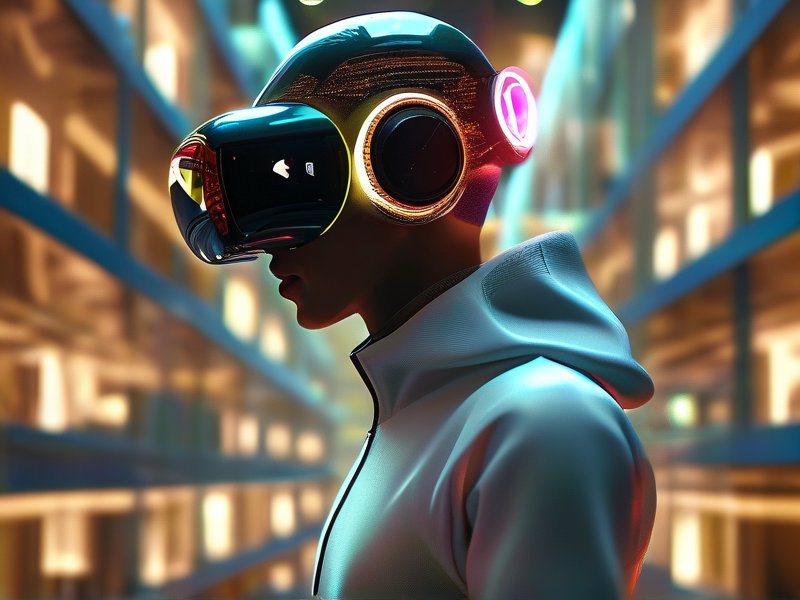
Introduction to Edge-Optimized Virtualization: A New Paradigm in Computing
In an era where digital experiences demand instant responsiveness and seamless accessibility, traditional computing models are being redefined. Edge-Optimized Virtualization represents a revolutionary approach that merges the power of cloud computing with the efficiency of edge networks. This technology enables users to access a personalized computing environment—whether a workstation, gaming rig, or specialized software suite—directly from their local network’s edge nodes. The result? A "Personal Computing Universe" that’s always available, regardless of device or location.
At its core, edge-optimized virtualization minimizes latency by processing data closer to the end user rather than relying solely on centralized cloud servers. This innovation is particularly transformative for applications requiring real-time interactivity, such as remote gaming, live video editing, or AI-driven analytics. By combining the scalability of the cloud with the speed of edge computing, this technology bridges the gap between physical hardware limitations and the demands of modern digital lifestyles.
Cloud Phone: The Gateway to Your Virtualized Ecosystem
Central to this paradigm shift is the concept of the cloud phone—a virtualized mobile operating system accessible via any internet-connected device. Unlike traditional smartphones tied to physical hardware, a cloud phone operates as a software-defined environment hosted on distributed edge servers. This unlocks unprecedented flexibility. Imagine:
- Running multiple phone instances simultaneously (e.g., a work profile and personal account)
- Accessing your full phone experience—apps, contacts, and settings—from PCs, tablets, or even smart TVs
- Maintaining uninterrupted connectivity even when traveling internationally (no SIM card dependencies)
- Enhanced security through encrypted data storage on remote servers
For example, a digital nomad could use a cloud phone to manage social media accounts across different countries without worrying about roaming charges or device portability. Gamers might leverage cloud-based GPUs to run Android titles on their laptop with console-level performance. Businesses can deploy secure corporate phone environments without distributing physical devices.
Platforms like EdgeNode Cloud Phone exemplify this trend by offering:
- Real-time Android/iOS compatibility
- Customizable hardware specs (RAM, storage, GPU)
- 24/7 accessibility via web-based dashboards
- Integration with IoT devices for smart home control
Applications and Benefits: Redefining Productivity and Entertainment
Edge-optimized virtualization transforms both professional workflows and personal entertainment in tangible ways:
1. Workforce Empowerment
Remote teams benefit from virtual workspaces that replicate in-office environments. Developers can test apps across different OS versions without needing physical devices. Sales professionals gain access to CRM tools optimized for their preferred interface. The elimination of hardware procurement costs and maintenance makes scaling teams faster and more cost-effective.
Pro Tip: Use cloud phones to isolate sensitive business operations from personal devices, reducing cybersecurity risks.
2. Seamless Entertainment
Streaming platforms and game developers are adopting edge-optimized solutions to deliver lag-free experiences. Imagine:
- Watching 4K movies without buffering by rendering video on nearby edge servers
- Playing graphically intensive mobile games on low-end devices
- Collaborating in virtual reality spaces with minimal latency
3. Smart Home Integration
Virtualized computing environments enable true interoperability between smart devices. A cloud phone could act as a central hub for:
- Controlling IoT appliances through unified interfaces
- Automating routines based on real-time data (e.g., adjusting HVAC based on weather forecasts)
- Securing connected devices via centralized security protocols
For instance, homeowners might use a cloud-based voice assistant to manage home systems from overseas vacations, with processing handled by local edge nodes to ensure responsiveness.
Future Horizons and Considerations
As 5G networks and edge infrastructure expand, the potential of edge-optimized virtualization grows exponentially. Emerging applications include:
- Autonomous vehicle systems with distributed computing redundancy
- Extended Reality (XR) platforms with real-time environmental mapping
- Healthcare diagnostics powered by localized AI analysis
However, challenges remain around data sovereignty, latency variability, and energy consumption. Users should prioritize providers like EdgeNode that emphasize:
- Granular control over server locations
- Transparent performance metrics
- Sustainable energy practices
In conclusion, edge-optimized virtualization isn’t just an upgrade—it’s a foundational shift in how we interact with technology. By embracing solutions such as cloud phones, individuals and organizations gain the flexibility to innovate without physical constraints. As this technology matures, it promises to make high-performance computing as ubiquitous as electricity itself.