
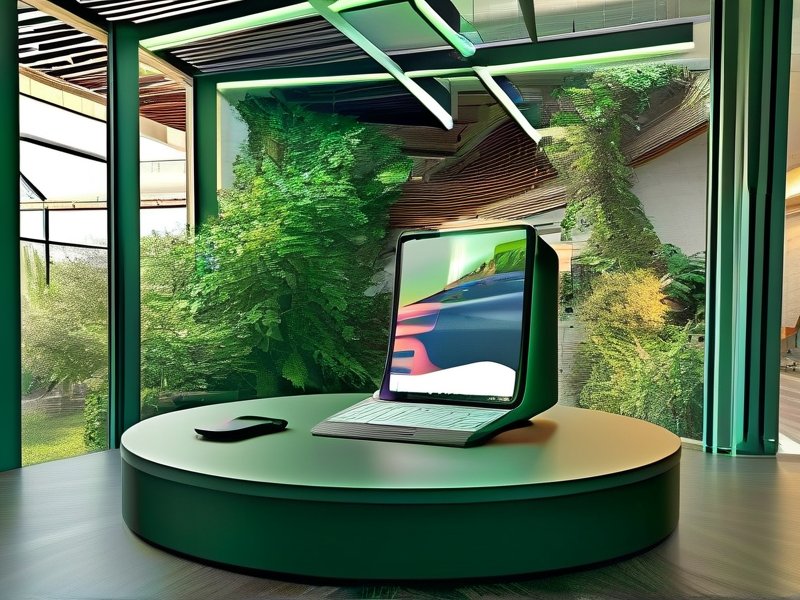
Introduction: The Rise of Cloud-Based Virtual Devices
In an era where remote work, global collaboration, and digital innovation are the new normal, traditional computing limitations often hinder productivity. The emergence of cloud phone technology, exemplified by platforms like EdgeNode Cloud Phone, represents a paradigm shift in how we access and utilize computing resources. By decoupling device functionality from physical hardware, next-gen virtual devices empower users to unlock unprecedented flexibility and scalability. This article explores how this technology redefines remote potential through three core pillars: accessibility, scalability, and application versatility.
1. Breaking Physical Barriers with Virtual Device Freedom
Cloud-based virtual devices dissolve the constraints of location and hardware dependency. For remote teams, this means:
- Instant global access: Work seamlessly from any WiFi-connected device, eliminating the need for bulky hardware
- Hardware independence: Run resource-intensive applications on low-end devices using cloud-rendered processing
- Device proliferation: Maintain multiple virtual environments simultaneously without physical clutter
Practical example: A developer can test mobile apps across 10 different Android/iOS configurations simultaneously using virtual instances, while a content creator streams 4K video editing workflows from their laptop. This "device-as-a-service" model reduces capital expenditure while enabling on-demand resource allocation.
2. Scalability That Adapts to Your Workflow
Legacy computing models force users into rigid hardware choices - either overpay for underused power or struggle with insufficient capacity. Cloud virtual devices offer:
- Dynamic resource allocation: Scale CPU, GPU, and RAM resources in real-time based on task demands
- Cost-effective bursting: Pay only for peak usage moments rather than maintaining constant overcapacity
- Automated elasticity: Workloads automatically adjust to handle traffic spikes (e.g., managing a viral social media campaign)
Tip for businesses: Pair cloud phones with containerization tools like Docker to create isolated environments for testing without risking production systems. For example, an e-commerce platform could simulate Black Friday traffic conditions across 100 virtual devices to stress-test their mobile app.
3. Transformative Applications Across Industries
Beyond basic productivity, next-gen virtual devices enable groundbreaking applications:
- Augmented Reality (AR) workspaces: Run AR software on tablets or glasses while offloading heavy processing to the cloud
- IoT device management: Create virtual twins of IoT hardware for testing and firmware updates
- Continuous software development: Maintain 24/7 test environments for CI/CD pipelines without physical lab costs
Case study: A remote healthcare team uses cloud phones to conduct telemedicine consultations with real-time medical imaging analysis. The cloud infrastructure handles DICOM file processing while clinicians access results through lightweight terminals in rural clinics. This model reduces equipment costs by ~60% while improving diagnostic turnaround times.
Conclusion: Embracing the Future of Virtual Computing
As organizations and individuals seek to maximize their digital potential, cloud-based virtual devices represent the logical evolution of computing. By leveraging platforms like EdgeNode Cloud Phone, users gain:
- Unrestricted access to powerful computing resources
- Adaptive scalability for fluctuating workloads
- Enterprise-grade security through encrypted virtual environments
The true value lies in this technology's ability to turn physical limitations into digital opportunities. Whether optimizing global workflows, accelerating innovation cycles, or enabling new business models, next-gen virtual devices are no longer optional - they're essential infrastructure for the modern digital ecosystem.
Ready to experience the future of remote computing? Explore how EdgeNode Cloud Phone can transform your workflow today.