
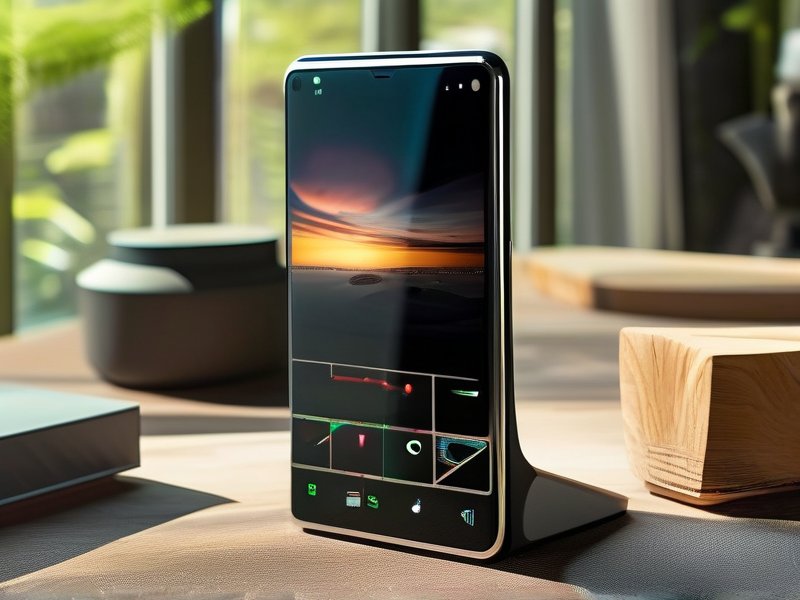
Introduction: The Evolution of Computing Power in Your Pocket
In an era defined by constant connectivity, smartphones have evolved from simple communication tools into powerful gateways for innovation. The next frontier in mobile technology lies in edge-powered smartphones, which merge the agility of local processing with the scalability of cloud infrastructure. This synergy is paving the way for "borderless computing"—a paradigm where applications, data, and experiences transcend physical and geographical boundaries. At the heart of this revolution is the cloud phone, a concept that redefines how devices interact with the digital world.
Edge computing, which processes data closer to its source rather than relying solely on distant cloud servers, is the catalyst for this transformation. By reducing latency, enhancing privacy, and enabling real-time responsiveness, edge-powered devices are unlocking possibilities once confined to science fiction. This article explores how edge technology is reshaping smartphones, the principles of borderless computing, and the practical implications of tools like the cloud phone in industries and daily life.
---Section 1: Edge Computing—The Engine Behind Next-Gen Smartphones
Traditional cloud computing relies on centralized data centers to handle processing tasks. While this model works for many applications, it suffers from inherent limitations: latency (delay in data transmission), reliance on stable internet connections, and privacy concerns. Edge computing addresses these challenges by decentralizing processing power, moving computation to the "edge" of the network—closer to the user’s device.
In smartphones, this means integrating advanced AI chips, optimized software, and seamless cloud integration. For example, a cloud phone leverages edge capabilities to run resource-heavy applications locally while accessing cloud storage and services on-demand. This hybrid approach delivers:
- Low-latency performance for applications like real-time gaming, augmented reality (AR), and voice recognition.
- Enhanced privacy by processing sensitive data locally rather than sending it to remote servers.
- Energy efficiency through smarter workload distribution between the device and cloud.
Imagine a smartphone that can instantly analyze a medical scan using edge-based AI algorithms without waiting for cloud servers to respond. Or a virtual collaboration tool that streams 4K video with zero lag, even in low-bandwidth areas. These scenarios are no longer hypothetical—they’re becoming reality thanks to edge-powered hardware and software.
---Section 2: Borderless Computing—When Devices Disappear
Borderless computing refers to an environment where users interact with digital services seamlessly across devices, locations, and networks. Edge-powered smartphones are key to this vision, acting as hubs that bridge local processing and global cloud resources. The result? A world where:
- Location no longer matters: Work, entertainment, and communication can happen anywhere, even in areas with spotty connectivity.
- Devices become interchangeable: Your cloud phone could sync instantly with your laptop, smartwatch, or car infotainment system, maintaining a consistent experience.
- Applications scale dynamically: Software adapts in real time to available resources—running locally when offline, or offloading tasks to the cloud when needed.
The Edgenode Cloud Phone exemplifies this future. Its architecture allows users to:
- Launch cloud-based apps (e.g., high-end design software) without draining device storage.
- Stream gaming titles directly to their smartphone with console-quality graphics.
- Process data locally for tasks like facial recognition or translation, ensuring faster results and reduced data usage.
For businesses, borderless computing means employees can access enterprise-grade tools from any device, while developers can build scalable apps that work flawlessly in diverse environments. The edge-cloud hybrid model eliminates the "either/or" choice between local speed and cloud scalability.
---Section 3: Practical Applications and the Path Forward
Edge-powered smartphones are already transforming industries. Here are three key areas of impact:
1. Healthcare
Doctors in remote regions can use edge-powered devices to conduct real-time diagnostics. For instance, a smartphone equipped with AI-driven imaging software can analyze X-rays locally and cross-reference results with cloud-based databases, reducing diagnostic delays.
2. Manufacturing and IoT
Factory workers can troubleshoot machinery using AR overlays powered by edge devices. Sensors in equipment feed data to smartphones for immediate analysis, while cloud connections enable predictive maintenance updates across global supply chains.
3. Education
Students in classrooms can collaborate with peers worldwide via immersive VR platforms. Edge devices handle rendering locally to avoid lag, while cloud infrastructure manages user accounts and shared content.
Tips for Embracing Edge-Powered Smartphones:
- Look for devices with dedicated AI processors (e.g., Apple’s Neural Engine or Qualcomm’s Snapdragon) to handle edge tasks.
- Prioritize seamless cloud integration through platforms like the Edgenode Cloud Phone, which offers a unified ecosystem.
- Opt for biometric security features to protect local data, as edge computing increases reliance on onboard storage.
As 5G networks expand and edge infrastructure matures, expect smartphones to serve as "universal interfaces"—bridging the gap between physical and digital worlds. Developers will create apps that dynamically choose between local and cloud resources, prioritizing user needs over technical constraints.
---Conclusion: The Smartphone as a Gateway to the Future
Edge-powered smartphones are not just an upgrade—they’re a revolution. By merging the immediacy of local processing with the power of global cloud networks, they’re dissolving barriers that once limited computing to specific places or devices. Tools like the Edgenode Cloud Phone exemplify this potential, offering users a glimpse into a future where technology adapts to them, not the other way around.
As we move toward borderless computing, the smartphone’s role will evolve further. It won’t just be a tool but an enabler of boundless possibilities—a window to a world where innovation knows no limits.