
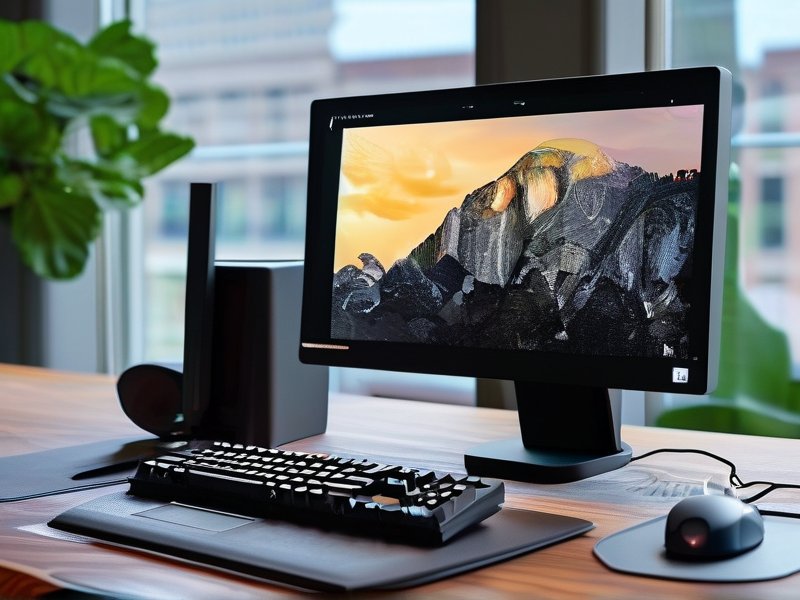
Introduction: The Rise of Cloud PCs in Remote Work
As remote work evolves from a temporary pandemic solution to a permanent workforce strategy, organizations are rethinking how to empower distributed teams with seamless productivity tools. Enter next-gen virtual workstations, often referred to as cloud PCs, which are redefining the boundaries of remote computing. These cloud-based platforms, like those offered by EdgeNode Cloud PCs, deliver full-featured desktop environments through the internet, enabling users to access powerful workstations from anywhere using just a browser or lightweight client.
Traditional laptop-based setups face limitations in handling complex applications and maintaining consistent performance across different devices. Cloud PCs address these challenges by centralizing compute resources in the cloud, offering:
- Instant access to high-end software configurations
- Scalable performance for demanding tasks
- Seamless collaboration across devices
- Reduced IT infrastructure costs
Technical Advancements Driving the Cloud PC Revolution
The rapid evolution of cloud computing infrastructure and networking technologies has made cloud PCs a viable alternative to physical workstations. Key advancements include:
1. High-Performance Virtualization
Modern hypervisor technologies now support real-time graphics rendering and multi-core CPU allocation. Platforms like EdgeNode's cloud PCs offer:
- Up to 64 vCPUs for processor-intensive tasks
- DirectX 12 and OpenGL support for 3D modeling
- 4K display compatibility with low-latency streaming
2. Low-Latency Network Solutions
Advances in edge computing and 5G networks reduce latency to under 50ms for most users. This enables:
- Real-time video editing
- Responsive CAD modeling
- Smooth 4K streaming for virtual meetings
3. Intelligent Resource Allocation
AI-driven load balancing ensures optimal performance by:
- Automatically scaling resources during peak usage
- Prioritizing critical applications
- Allocating GPU resources on demand
These innovations make it possible for architectural firms to render 3D models in real-time during client meetings, and engineers to run simulations without waiting for local machine processing.
Real-World Applications Transforming Remote Work
Cloud PCs are proving transformative across industries by overcoming limitations of traditional remote setups. Here are three impactful use cases:
1. Creative Design & Media Production
For professionals working with Adobe Creative Cloud, AutoCAD, or Blender, cloud PCs provide:
- Access to GPU-accelerated rendering
- Version control across multiple projects
- Seamless collaboration tools for real-time co-editing
Example: A graphic design agency uses EdgeNode's cloud PCs to allow freelancers in different time zones to work simultaneously on a 4K video project without compromising quality or performance.
2. Software Development & Testing
Development teams benefit from:
- Pre-configured dev environments with all necessary tools
- Isolated testing environments for secure code deployment
- Automatic scaling for CI/CD pipelines
Tip: Developers can save hours by using cloud PCs to instantly spin up environments with specific OS configurations without needing to maintain physical hardware.
3. Secure Remote Collaboration
Enterprises gain:
- Centralized data storage with military-grade encryption
- Role-based access control for sensitive projects
- Instant session recovery after connectivity drops
Example: A financial services firm uses cloud PCs to provide auditors with secure access to compliance tools without exposing sensitive data to personal devices.
Overcoming Challenges for Maximum Impact
While cloud PCs offer significant advantages, organizations need to address potential challenges:
1. Network Dependency
Implement these strategies:
- Choose providers with global edge networks (e.g., EdgeNode's 10+ regional data centers)
- Use progressive web apps for offline access to basic functions
- Configure session persistence for critical workflows
2. Cost Management
Best practices include:
- Utilize auto-scaling policies to avoid over-provisioning
- Monitor usage patterns with analytics dashboards
- Opt for pay-as-you-go models for sporadic workloads
3. User Adoption
Ensure smooth transitions by:
- Providing personalized desktop configurations
- Offering interactive training modules
- Implementing gamified onboarding processes
Future Trends Shaping the Cloud PC Landscape
As we look ahead, several trends will further accelerate cloud PC adoption:
1. AI-Powered Workstation Intelligence
Expect cloud PCs integrated with AI to:
- Automatically optimize resource allocation
- Anticipate user needs through predictive analytics
- Offer real-time performance recommendations
2. Web3 and Metaverse Integration
Cloud PCs will become gateways to:
- Immersive virtual workspaces
- Decentralized app ecosystems
- Blockchain-based collaboration platforms
3. Sustainability Advancements
Providers are already focusing on:
- Renewable energy-powered data centers
- Efficient resource utilization to reduce carbon footprints
- Carbon offset programs for cloud computing
Conclusion: Embracing the Future of Work
Next-gen virtual workstations are not just an evolution - they're a paradigm shift in how businesses approach productivity. By leveraging cloud PCs from providers like EdgeNode, organizations can:
- Unlock unprecedented flexibility for distributed teams
- Maintain high performance while reducing costs
- Create secure, scalable digital work environments
As the line between physical and digital workspaces continues to blur, adopting cloud-based solutions will become essential for staying competitive in the global talent market. The future of work isn't just remote - it's cloud-powered.