
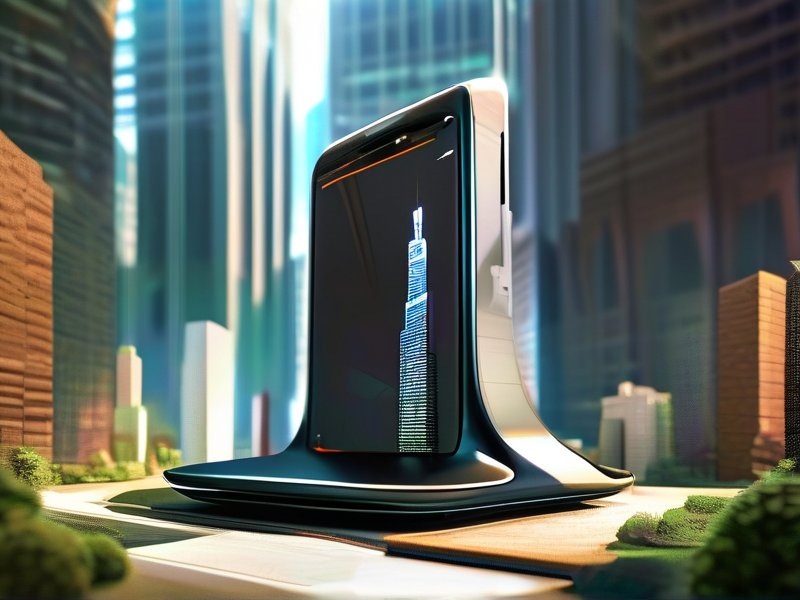
Introduction: The Rise of Cloud-Powered Mobile Computing
In an era where smartphones have become extensions of our identities, the next frontier in mobile technology is already taking shape: cloud-powered phones. These innovative devices leverage the power of distributed cloud infrastructure to redefine what’s possible in mobile computing. By separating core computational tasks from the physical device, cloud phones promise unparalleled performance, flexibility, and affordability. This emerging technology is poised to revolutionize how we interact with digital ecosystems, from gaming and productivity to AI-driven experiences. Let’s explore how cloud-powered phones are redefining the boundaries of mobile technology.
Technical Foundations: How Cloud-Powered Phones Work
Cloud-powered phones operate on the principle of edge-cloud collaboration, where critical processing occurs in remote data centers rather than the device itself. This architecture unlocks several key advantages:
- Decoupling Hardware Constraints: Users no longer need flagship processors or vast storage. Even mid-range devices can access high-end GPU rendering, AI capabilities, and petabytes of cloud storage.
- Instant Resource Scaling: Applications requiring intensive processing (like 4K video editing or VR) can scale resources dynamically without battery drain or overheating concerns.
- Continuous Software Updates: Operating systems and apps stay perpetually updated in the cloud, eliminating fragmentation and hardware-dependent compatibility issues.
Leading platforms like EdgeNode Cloud Phone demonstrate this through their architecture, which combines:
- AI-optimized task prioritization
- Low-latency 5G/6G connectivity
- Containerized app environments for security
Users gain access to a "supercomputer in the sky" through their pocket-sized devices, with latency as low as 20ms enabling seamless real-time interactions.
Transformative Use Cases: Beyond Traditional Smartphones
The true potential of cloud phones emerges when we move beyond device-centric thinking. Here are three transformative applications:
1. Boundaryless Gaming
Cloud phones turn any mobile device into a gaming powerhouse. Services like EdgeNode’s Gaming Stack allow:
- 4K/120fps rendering streamed to smartphones
- Instant access to AAA titles without downloads
- Multiplayer latency improvements via edge nodes
Users in remote areas with basic 4G can now compete on par with those using high-end PCs.
2. Enterprise Productivity
Businesses are adopting cloud phones for:
- Virtual workspaces with enterprise-grade security
- BYOD (Bring Your Own Device) policies without data risks
- Unified communication platforms with AI assistants
Employees gain secure access to corporate apps while companies reduce hardware costs by 40-60%.
3. AI-Powered Personalization
Cloud infrastructure enables:
- Real-time language translation with 98% accuracy
- Customizable voice assistants trained on user preferences
- Adaptive interfaces adjusting to user behavior patterns
Imagine a phone that automatically adjusts its UI for a visually impaired user or translates a conversation in real-time during a business meeting.
Challenges and Future Trajectories
While promising, this paradigm shift faces critical challenges:
Infrastructure Limitations
Reliable cloud-phone performance requires:
- Ubiquitous low-latency 5G/6G coverage
- Edge data centers within 100km radius
- Quantum-resistant encryption protocols
User Adoption Barriers
Key concerns include:
- Data privacy in centralized systems
- Subscription model affordability
- Offline functionality limitations
Future Innovations to Watch
Emerging trends likely to shape the space:
- Federated Learning: Training AI models on distributed devices without data centralization
- Neural Rendering: Real-time 3D scene generation using cloud-based neural networks
- Biometric Edge Computing: Processing sensitive biometric data locally before sending metadata to the cloud
Practical Tips for Early Adopters
For users exploring cloud phone solutions:
- Choose platforms offering device-agnostic access (iOS/Android compatibility)
- Look for pay-as-you-go models to avoid overpaying for unused resources
- Ensure providers meet GDPR and HIPAA compliance standards
- Test latency with EdgeNode’s latency checker before committing
Conclusion: A New Era of Mobile Freedom
Cloud-powered phones represent more than an incremental upgrade—they’re a paradigm shift in human-technology interaction. By divorcing processing power from physical hardware, this technology offers:
- Democratized access to premium computing
- Reduced e-waste through extended device lifecycles
- Boundless creativity for developers
As 5G infrastructure matures and edge computing costs decline, we’re approaching a future where your phone’s capabilities are limited only by your imagination, not your budget. The era of the cloud superphone has begun.