
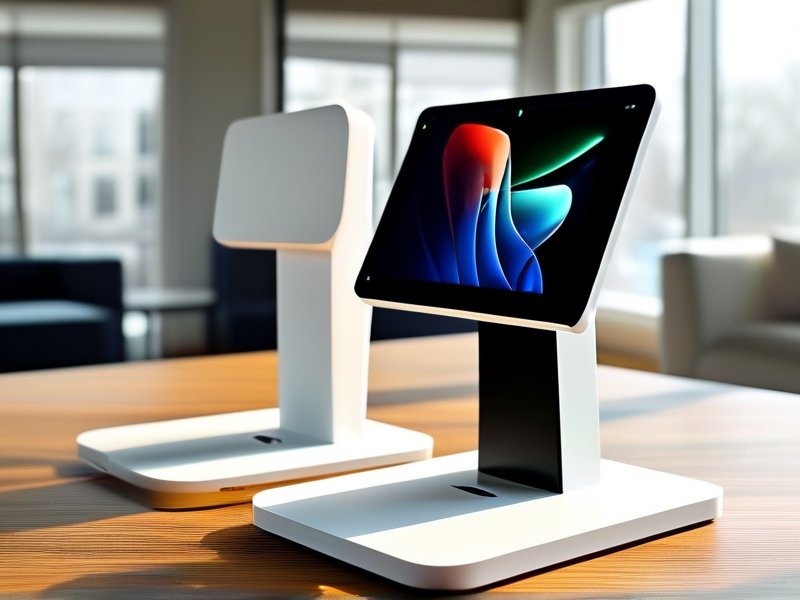
Introduction: The Rise of Cloud Phones and Mobile Freedom
The way we interact with mobile technology is undergoing a transformative shift. Traditional smartphones, tied to physical hardware limitations and geographic constraints, are increasingly being supplemented by cloud phones—virtual devices that leverage cloud computing to deliver unparalleled flexibility. A cloud phone (e.g., Edgenode Cloud Phone) operates entirely in the cloud, allowing users to access smartphone functionality through any internet-connected device, from laptops to tablets or even basic smartphones. This paradigm shift is redefining what mobile freedom truly means, breaking free from hardware dependency and empowering users with on-demand power and portability.
Imagine running high-end apps, gaming titles, or productivity tools without needing a flagship device. With cloud-based virtual devices, this is now a reality. In this article, we explore how next-gen cloud phones are reshaping mobile experiences, their key features, and practical applications that unlock new possibilities.
Core Features of Next-Gen Virtual Devices
Next-gen cloud phones combine cutting-edge cloud infrastructure with intuitive user interfaces to deliver features that traditional hardware cannot match. Here are the standout capabilities driving their adoption:
- Hardware Independence: Users no longer need to invest in expensive devices. A cloud phone can be accessed via any screen, from a budget smartphone to a desktop monitor, eliminating the need for frequent hardware upgrades.
- Scalable Performance: Cloud-based hardware resources can be dynamically adjusted. Need more processing power for 4K video editing? Simply upgrade your plan for on-demand performance boosts.
- Seamless Cross-Platform Access: Your virtual device follows you everywhere. Whether you’re using an Android app on a Windows PC or a web browser on a Mac, the cloud phone’s interface adapts seamlessly.
- Enhanced Security: Data is stored securely in the cloud, minimizing risks of physical theft. Features like remote data wiping and encrypted connections protect sensitive information.
- Cost Efficiency: Subscription-based models eliminate upfront hardware costs. Users pay only for the performance they need, making it ideal for businesses and casual users alike.
These features collectively enable users to prioritize experience over hardware, reshaping the mobile landscape into a service-driven ecosystem.
Practical Applications and Real-World Benefits
Cloud phones are not just theoretical innovations—they’re already solving real-world challenges across industries. Here’s how they’re being leveraged today:
1. Remote Work and Productivity
For remote workers, cloud phones offer a centralized workspace. For example, a developer can run multiple Android emulators on their laptop to test apps without needing physical devices. Meanwhile, sales teams can access CRM apps on low-cost tablets, reducing corporate hardware costs.
2. Gaming and Entertainment
Mobile gamers can now enjoy high-end titles on budget devices. Platforms like Edgenode Cloud Phone stream games at 1080p/60fps, bypassing the limitations of mobile GPUs. This opens up AAA gaming to users without premium hardware.
3. Business and Security
Enterprises use cloud phones to create isolated workspaces. For instance, a company might deploy virtual devices for employee training, ensuring no data is stored locally. This reduces IT overhead and mitigates security risks.
4. Travel and Accessibility
Travelers can leave bulky devices at home, accessing their cloud phone via rental laptops or hotel Wi-Fi. For users with disabilities, customizable interfaces and voice controls make mobile technology more inclusive.
Tips for Maximizing Your Cloud Phone Experience
While cloud phones offer immense potential, optimizing their use requires strategic planning. Here are actionable tips:
- Choose the Right Provider: Prioritize platforms with robust security, adjustable performance tiers, and user-friendly interfaces. For example, Edgenode Cloud Phone offers customizable plans and seamless integration with major ecosystems.
- Optimize Bandwidth: Use wired internet connections for stable streaming. If on mobile data, consider plans with dedicated bandwidth allocations for cloud services.
- Back Up Critical Data: While cloud storage is secure, regularly backing up files to personal drives ensures redundancy in case of service disruptions.
- Experiment with Multitasking: Take advantage of split-screen modes and virtual desktops to juggle apps efficiently, a feature often underutilized in traditional mobile setups.
- Consider Offline Capabilities: Some cloud phones offer limited offline functionality. Check if your provider supports caching or local app storage for critical tools.
Conclusion: The Future of Mobile Freedom
Next-gen cloud phones are not just an upgrade—they’re a revolution. By decoupling performance from hardware and enabling access from any screen, they signal a future where mobility is defined by freedom, not limitations. Whether you’re a developer, gamer, or remote worker, embracing cloud-based virtual devices unlocks a world of flexibility and efficiency. As technology evolves, one thing is clear: the era of hardware-centric mobile computing is ending, and the cloud is the new frontier.
Ready to experience mobile freedom? Explore platforms like Edgenode Cloud Phone to see how virtual devices can transform your workflow, entertainment, and daily life.
Word count: 798