
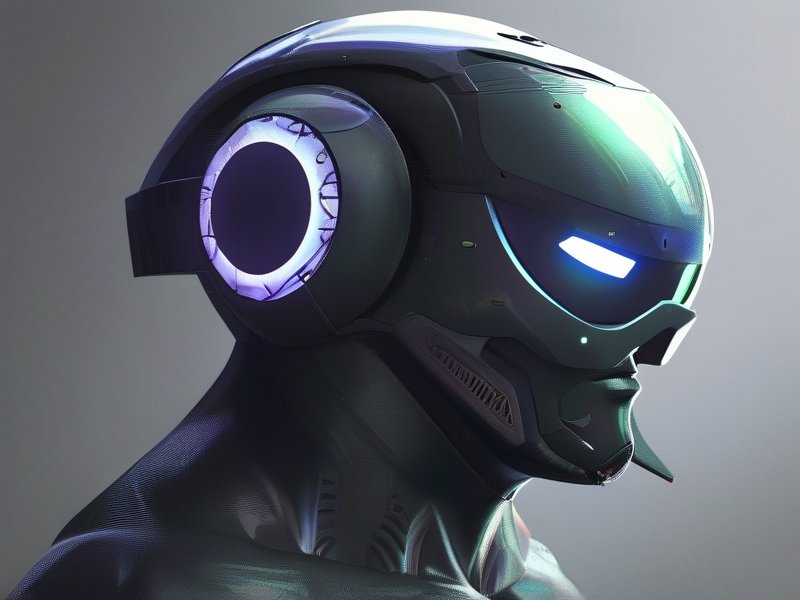
Introduction: The Rise of Next-Gen Cloud PCs in Remote Work
In an era where remote work has become the new normal, businesses and professionals face a growing need for robust, flexible computing solutions. Traditional on-premises workstations and even early virtual desktop infrastructure (VDI) setups often fall short in delivering the power and agility required for modern workflows. This is where next-gen cloud PCs—high-performance virtual workstations hosted in the cloud—step in. By leveraging cutting-edge cloud technology, these platforms redefine remote computing power, offering scalable resources, real-time collaboration, and accessibility from anywhere. Solutions like cloud PCs are now at the forefront of this transformation, empowering teams to tackle complex tasks without the constraints of physical hardware.
---Section 1: The Evolution of Virtual Workstations
The journey from legacy virtual workstations to today’s cloud-based solutions reflects a paradigm shift in computing. Traditional on-premises setups required significant upfront investment in hardware and IT infrastructure, limiting scalability and flexibility. While VDI addressed some of these issues by centralizing resources, it still faced challenges like latency, lack of GPU support for intensive applications, and high maintenance costs. The rise of cloud computing changed the game.
Key advancements driving next-gen cloud PCs include:
- Scalable Infrastructure: Cloud providers now offer on-demand access to powerful CPUs, GPUs, and RAM, allowing users to scale resources up or down based on project needs.
- Global Accessibility: With internet connectivity, users can access their virtual workstation from any device—from a laptop in a café to a tablet during a commute.
- Real-Time Collaboration: Cloud PCs enable teams to work simultaneously on projects, with version control and shared environments reducing errors.
These improvements have been accelerated by the pandemic’s remote work surge, pushing organizations to adopt cloud-based solutions for seamless productivity.
---Section 2: Key Features of Next-Gen Cloud PCs
Next-gen cloud PCs combine enterprise-grade performance with user-friendly accessibility. Below are their core capabilities:
1. Hardware-Grade Performance
Modern cloud PCs deliver the same—or better—processing power as high-end desktops. For instance, cloud PCs often include dedicated GPUs for rendering 3D models, simulating engineering designs, or editing 4K videos. This eliminates the need for expensive local hardware, making advanced computing accessible to small businesses and freelancers.
2. Enterprise-Grade Security
Data protection is paramount. Cloud PCs typically feature:
- End-to-end encryption for data in transit and at rest.
- Multi-factor authentication (MFA) and role-based access controls.
- Centralized management for compliance and audit trails.
This ensures sensitive information stays secure without compromising user experience.
3. Flexible Deployment Options
Users can choose between public, private, or hybrid clouds based on their security and cost preferences. For example, a marketing agency might opt for a public cloud for cost efficiency, while a financial firm might prefer a private cloud for stricter data governance.
4. Cost Efficiency
Traditional workstations require ongoing hardware upgrades and maintenance. Cloud PCs eliminate these costs through subscription-based models. For instance, a developer team can scale resources during peak coding sprints and reduce them during off-hours, paying only for what they use.
---Section 3: Real-World Applications and Benefits
Next-gen cloud PCs are revolutionizing industries that rely on compute-heavy tasks. Here are practical examples of their impact:
1. Remote Design and Engineering
Architects and engineers use cloud PCs to run CAD software like AutoCAD or SolidWorks without needing local GPU rigs. For example, a remote team in a construction project can collaborate in real time on 3D building models, with changes instantly visible to all contributors.
2. Software Development and DevOps
Cloud PCs enable developers to test code on multiple operating systems and environments without setting up physical machines. A startup can deploy a cloud PC with Docker containers and Kubernetes to streamline CI/CD pipelines, accelerating time-to-market.
3. Data Analysis and AI
Data scientists benefit from cloud PCs with scalable compute resources. A healthcare researcher analyzing genomic data can allocate extra GPU power to train machine learning models faster, then revert to standard resources for data visualization.
4. Disaster Recovery and Business Continuity
In the event of hardware failure or natural disasters, businesses can quickly spin up cloud PCs to restore operations. This ensures minimal downtime and protects against data loss.
---Conclusion: Embrace the Future of Remote Computing
Next-gen cloud PCs are no longer just a convenience—they’re a necessity for organizations seeking agility, security, and cost efficiency. By offloading compute-heavy tasks to the cloud, teams can focus on innovation rather than infrastructure maintenance. As cloud technology evolves, platforms like cloud PCs will continue to push boundaries, enabling seamless collaboration and unlocking new possibilities for remote work. For businesses ready to harness this power, the time to explore cloud-based solutions is now.
Take the next step today by exploring cloud PCs and redefine your remote computing strategy.