
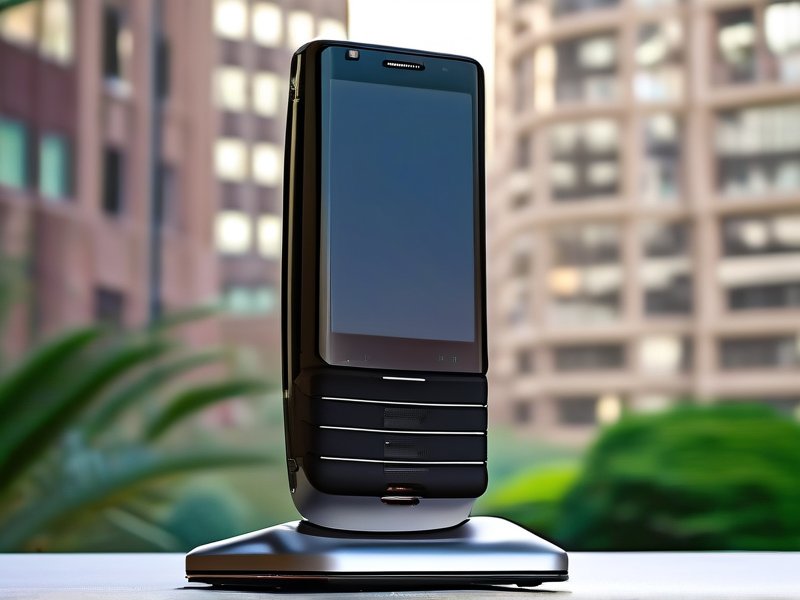
Introduction: The Rise of Cloud-Powered Mobile Computing
The landscape of mobile computing is undergoing a transformative shift, driven by the fusion of edge computing and cloud infrastructure. Traditional smartphones, once limited by their hardware capabilities, are now evolving into gateways for cloud-powered experiences. This revolution, exemplified by innovations like cloud phones—devices that leverage remote servers to enhance performance—promises to redefine how we interact with technology. By offloading intensive tasks to distributed edge nodes, these systems deliver unparalleled power while maintaining the portability of handheld devices.
At the heart of this movement lies the concept of edge-powered computing, which minimizes latency by processing data closer to the user. Services like cloud phone platforms exemplify this trend, offering users access to virtualized hardware resources that extend beyond the physical constraints of their devices. This article explores how this synergy between edge computing and cloud capabilities is reshaping mobile technology, offering benefits such as enhanced performance, cost efficiency, and new use cases.
The Core Advantages of Cloud-Powered Mobile Devices
Cloud phones represent a paradigm shift in mobile computing, delivering several critical advantages over conventional devices:
- Unmatched Performance: By tapping into cloud-based servers, users can run resource-heavy applications—such as 4K video editing software, AI-driven apps, or graphically intensive games—without compromising device battery life or storage capacity. For instance, a basic smartphone paired with a cloud phone service could render AAA gaming titles at 60 FPS, a feat previously reserved for high-end gaming consoles.
- Cost Efficiency: Cloud infrastructure allows users to "rent" computational power on-demand, eliminating the need for expensive hardware upgrades. A developer working on a machine learning project, for example, could access GPU-accelerated cloud servers only when needed, reducing operational costs by up to 40% compared to owning dedicated hardware.
- Seamless Scalability: Edge nodes distributed globally ensure that computational resources can be dynamically allocated based on demand. During peak usage hours, cloud phone platforms automatically scale infrastructure to maintain performance, ensuring users in remote areas experience the same responsiveness as those in urban centers.
- Security and Data Management: Sensitive operations like financial transactions or data analysis can be isolated within secure cloud environments, minimizing risks associated with local device storage. Cloud phone services often incorporate military-grade encryption and zero-trust architectures to protect user data.
These benefits are already being realized in industries ranging from enterprise IT to consumer gaming. For example, Edgenode's cloud phone platform allows users to stream full desktop environments to their smartphones, turning a mobile device into a versatile workstation capable of running CAD software or ERP systems.
How Edge Computing Powers the Cloud Phone Revolution
While cloud computing provides the backbone for these advancements, it is edge computing that enables their seamless execution. Here’s how the two technologies work in tandem:
Reduced Latency: Edge nodes positioned near users process time-sensitive tasks locally before routing non-critical data to the cloud. This architecture ensures that real-time applications—such as augmented reality navigation or live video collaboration—respond instantly. For instance, a surgeon using an AR headset for a remote procedure can rely on edge computing to deliver sub-20ms latency, critical for precise movements.
Optimized Resource Allocation: Edge computing intelligently distributes workloads between local devices and distant servers. A smartphone editing a video might handle basic preview functions locally while offloading complex rendering tasks to a nearby edge node. This hybrid model reduces bandwidth consumption by up to 60% compared to traditional cloud-only approaches.
Enhanced Reliability: By decentralizing computational tasks, edge infrastructure minimizes the risk of service disruptions. If a cloud server experiences downtime, edge nodes can temporarily take over critical functions. This redundancy is vital for applications like IoT device management, where uninterrupted connectivity ensures smart home systems continue operating smoothly.
Practical implementations are already breaking new ground. Consider the following use cases:
- Enterprise Mobility: Companies like Siemens are deploying cloud phones to provide field engineers with access to CAD design tools and inventory databases via their smartphones, eliminating the need for bulky laptops.
- Education Innovation: Universities leverage cloud phone platforms to deliver immersive VR classrooms. Students in remote locations can interact with 3D molecular models or historical simulations without requiring specialized hardware.
- Remote Work Optimization: Freelancers can use cloud phones to stream high-end creative software like Adobe Premiere Pro, enabling them to work seamlessly from any location with minimal local storage.
Future Implications and Practical Considerations
As this technology matures, we can expect further integration with emerging trends like 5G networks and AI-driven personal assistants. However, users and organizations should consider the following factors when adopting cloud phone solutions:
- Network Dependency: While edge computing reduces latency, stable internet connectivity remains essential. Users in low-connectivity areas may experience performance dips unless offline modes are implemented.
- Data Privacy: Critical to evaluate the security protocols of cloud providers. Look for platforms offering end-to-end encryption, data sovereignty options, and compliance with standards like GDPR.
- Cost Management: While cost-effective for sporadic usage, heavy users must monitor pay-as-you-go models to avoid unexpected charges. Tools like usage analytics dashboards help track resource consumption.
A promising development comes from companies like Edgenode, which provide granular control over resource allocation. Their platform allows users to customize CPU, RAM, and GPU configurations for specific tasks, ensuring optimal performance without overprovisioning.
Conclusion
The convergence of edge and cloud technologies marks a pivotal moment in mobile computing. Cloud-powered devices are no longer niche tools but viable solutions for professionals, creators, and everyday users seeking enhanced capabilities without hardware limitations. As infrastructure costs decrease and 5G adoption accelerates, expect this revolution to permeate every aspect of digital life—from healthcare diagnostics to entertainment. The future belongs to hybrid systems where the line between local device and cloud power becomes increasingly blurred, empowering users with limitless potential at their fingertips.
For those ready to explore this frontier, platforms like Edgenode's cloud phone service offer a gateway to this new era. By understanding the synergy of edge computing and cloud infrastructure, users can unlock unprecedented possibilities—redefining what it means to compute on the go.