
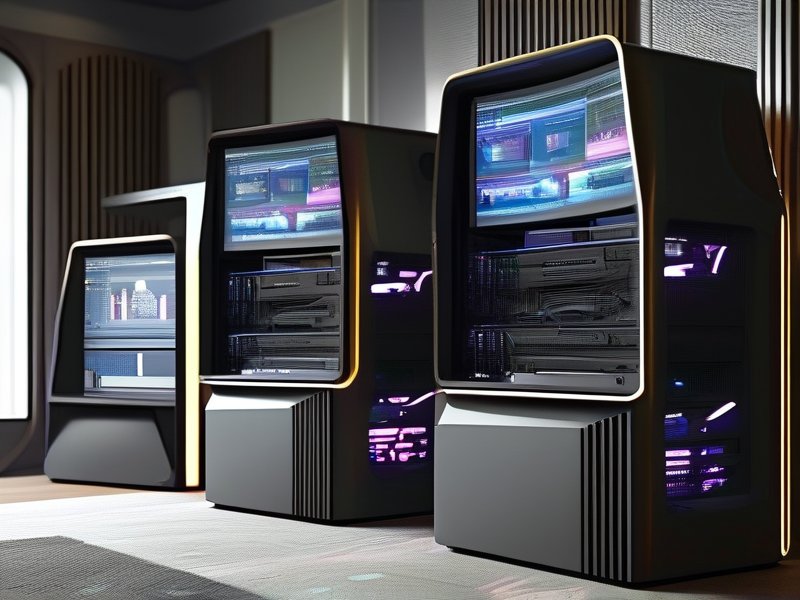
Introduction to Next-Gen Remote Computing: The Cloud PC Revolution
In an increasingly digital world, the demand for seamless, high-performance computing has never been greater. As remote work, distributed teams, and immersive entertainment grow in popularity, traditional hardware limitations are proving inadequate. Enter next-gen remote computing, where cloud PCs—virtual workstations delivered over the internet—are redefining what’s possible. Unlike basic cloud storage or SaaS applications, cloud PCs offer full desktop environments accessible from anywhere, on any device. Solutions like EdgeNode Cloud PC exemplify this shift, providing users with the power of desktop-grade hardware without the physical constraints.
The rise of cloud PCs marks a paradigm shift. Imagine launching a resource-heavy design tool on your tablet during a train commute or playing graphically intensive games on a budget laptop. This technology bridges the gap between physical devices and cloud-based services, enabling users to “compute anywhere” while maintaining performance and security. With advancements in 5G, edge computing, and virtualization, cloud PCs are no longer a niche solution—they’re becoming the backbone of modern productivity and entertainment.
Why Cloud PCs Are Transforming the Computing Landscape
Cloud PCs deliver a trifecta of benefits that traditional hardware and older cloud models cannot match. Here are the key advantages driving their adoption:
- Unmatched Accessibility: With a stable internet connection, users can access their cloud PC from smartphones, tablets, thin clients, or even legacy devices. This eliminates the need to carry bulky laptops or invest in costly hardware upgrades. For example, a freelance developer might run complex coding tools on a Chromebook while waiting at an airport.
- Scalability and Performance: Cloud PCs leverage data center-grade infrastructure, offering on-demand access to powerful GPUs, CPUs, and RAM. Games like Cyberpunk 2377 or design software such as AutoCAD can run smoothly without local hardware limitations. Services like EdgeNode Cloud PC even allow users to customize their virtual workstation’s specs in real time.
- Cost Efficiency: Organizations save on upfront hardware costs and IT maintenance. Instead of replacing aging desktops or managing physical workstations, businesses can provision cloud PCs per user, scaling resources up or down as needed. This model is especially beneficial for seasonal projects or remote teams.
Security is another cornerstone. Cloud PCs operate in isolated environments, reducing risks from physical device theft or malware. Data remains encrypted and centralized, simplifying compliance and backups. For instance, healthcare professionals can securely access patient records on a cloud PC without compromising sensitive information.
Applications in Work & Play: Breaking Down Barriers
Cloud PCs are already reshaping industries and leisure activities. Below are real-world applications and practical tips for leveraging this technology effectively.
Workplace Innovation
In the professional sphere, cloud PCs enable:
- Remote Collaboration: Architects can collaborate in real time on 3D models using cloud-based CAD software, while marketing teams edit 4K videos on virtual workstations from different time zones.
- BYOD (Bring Your Own Device): Companies like TechCorp Solutions use cloud PCs to allow employees to work securely on personal devices, reducing IT overhead.
- Disaster Recovery: During outages, businesses can quickly provision cloud PCs for emergency remote operations, minimizing downtime.
Tip: For seamless remote work, choose a cloud PC provider with low-latency networks and integration with collaboration tools like Microsoft Teams or Slack.
Play Beyond Limits
Entertainment is no longer confined to gaming PCs or consoles. Cloud PCs are powering:
- Cloud Gaming: Platforms like EdgeNode Cloud PC let users stream AAA games at 4K/60fps to smart TVs, smartphones, or even smartwatches. Imagine playing Fortnite on a flight without needing a gaming laptop.
- Virtual Reality (VR): High-end VR applications, such as architectural walkthroughs or immersive games, can run on lightweight headsets tethered to a cloud PC.
- 4K Streaming: Edit and stream live content from anywhere—streamers can produce high-quality streams using cloud-based software without local storage limits.
Tip: Prioritize cloud PC providers with dedicated gaming tiers, such as EdgeNode’s “Gaming Pro” plan, which offers optimized GPUs and reduced input lag.
Future Trends: Where Cloud PCs Are Heading
The next wave of innovation will focus on:
- AI Integration: Cloud PCs may soon offer AI-powered features like real-time language translation during video calls or automated design suggestions.
- Edge Computing: By processing data closer to the user (via edge nodes), latency will drop further, enabling ultra-responsive cloud gaming and real-time simulations.
- Hybrid Workspaces: Combining cloud PCs with AR glasses could create mixed-reality environments where users “see” digital tools overlaid on physical spaces.
As these technologies mature, the line between physical and virtual computing will blur even further. Imagine a world where your “desktop” exists entirely in the cloud, seamlessly adapting to your needs—whether you’re coding in a café or racing in a VR game.
Conclusion: Embracing the Cloud PC Era
Next-gen remote computing via cloud PCs isn’t just a technological upgrade—it’s a lifestyle enabler. By prioritizing accessibility, performance, and flexibility, cloud PCs are breaking down barriers for professionals and gamers alike. Whether you’re a remote worker seeking productivity on the go or a gamer chasing 4K streams, platforms like EdgeNode Cloud PC demonstrate how this technology is already reshaping our digital lives. As 5G and edge infrastructure expand, the possibilities will only grow. The future of computing isn’t attached to a desk—it’s in the cloud, ready to go wherever you do.