
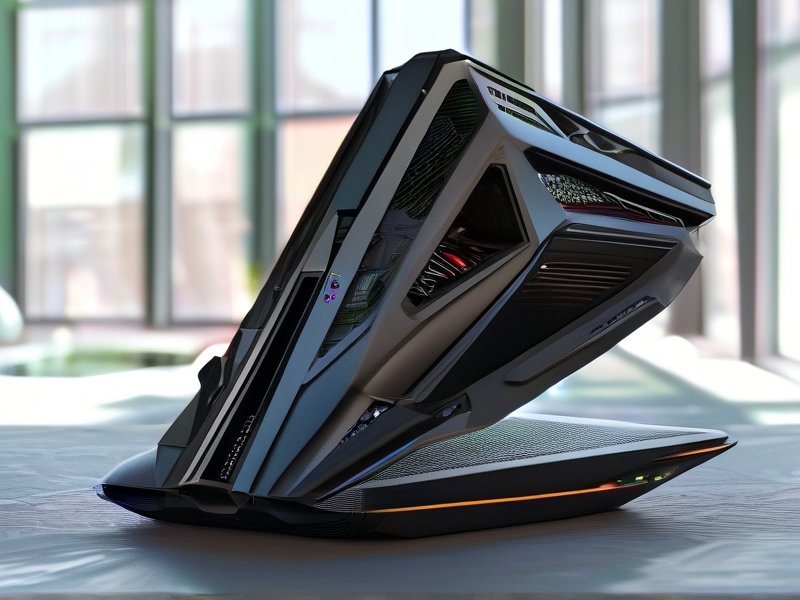
Introduction: The Rise of Cloud-Driven Mobile Computing
In an era where location independence and instant access define productivity, the concept of a "mobile workstation" has evolved beyond physical devices. The Next-Gen Mobile Workstation—embodied by innovations like the EdgeNode Cloud Phone—redefines work paradigms by decoupling computation and storage from hardware. This shift enables users to compute anywhere while storing data in secure, centralized cloud environments. By leveraging edge computing and virtualization, these systems offer unmatched flexibility without sacrificing performance or security.
Traditional mobile workstations face limitations: battery drain with heavy tasks, storage constraints, and device-specific software dependencies. Cloud phones eliminate these barriers by offloading computational tasks to powerful servers while delivering seamless user experiences through mobile interfaces. This article explores the architecture, benefits, and practical applications of this transformative technology.
Core Technologies Powering Next-Gen Mobile Workstations
The cloud phone revolution hinges on three foundational technologies:
- Virtualization at the Edge: Edge computing nodes process data closer to the user, reducing latency and enabling real-time applications like live video editing or gaming.
- Containerized Environments: Isolated containers allow multiple applications or OS instances to run simultaneously without resource conflicts—a game-changer for developers testing cross-platform apps.
- AI-Driven Resource Allocation: Machine learning algorithms dynamically allocate CPU/GPU resources based on task demands, ensuring optimal performance even during peak usage.
For example, the EdgeNode Cloud Phone architecture uses NVIDIA GPU clusters for graphics-heavy tasks while routing lightweight processes to ARM-based edge nodes. This hybrid approach balances power and efficiency, delivering 4K video rendering capabilities through a standard smartphone screen.
Practical Applications & Real-World Benefits
Next-gen mobile workstations unlock new possibilities across industries. Here are key use cases:
Remote Work & Collaboration
Professionals can access full desktop environments via mobile devices without sacrificing performance. Features like:
- Multi-monitor support through split-screen mirroring
- Enterprise-grade encryption for remote data access
- Auto-scaling resources for virtual meetings with 4K video
make this ideal for global teams. A marketing agency using EdgeNode reported a 60% reduction in laptop procurement costs by transitioning to cloud-based workstations.
App Development & Testing
Developers benefit from:
- Simultaneous testing across 100+ device/OS configurations in parallel
- Automated performance benchmarking tools
- Isolated debug environments to prevent system crashes
A fintech startup cut their QA cycle by 3 weeks by deploying EdgeNode’s cloud phone matrix for app compatibility testing.
Content Creation on-the-Go
Creative professionals gain:
- GPU-accelerated rendering for 3D models and video edits
- Integration with cloud storage services like AWS S3
- Offline mode with cached resources for unreliable networks
A travel videographer uses EdgeNode to edit 4K footage in real-time during flights, uploading seamlessly to YouTube upon landing.
Choosing the Right Cloud Phone Solution
Evaluating cloud phone platforms requires considering:
- Compute Resources: GPU availability for intensive tasks vs. cost-effectiveness for basic needs
- Security Features: Look for SOC 2 compliance and FIPS 140-2 certified encryption
- Scalability: Ability to scale from single instances to enterprise grids
When comparing solutions, ask:
- Does it support containerization for app isolation?
- How does latency perform under varying network conditions?
- Are there APIs for integration with existing workflows?
The EdgeNode Cloud Phone excels here with:
- 99.99% uptime SLA guaranteed
- Pre-configured templates for common workflows (e.g., Adobe Creative Suite environments)
- Pay-as-you-go pricing starting at $0.002/minute
Future Implications & Best Practices
As 5G networks and AI continue to evolve, expect cloud phones to:
- Enable holographic interfaces through spatial computing
- Integrate with IoT devices for smart workspace ecosystems
- Automate routine tasks via ambient intelligence
For users adopting this technology today:
- Start with a free trial to test specific use cases
- Implement strict access controls using MFA and role-based permissions
- Pair with cloud storage solutions for seamless asset management
Ultimately, next-gen mobile workstations represent more than hardware evolution—they symbolize a cultural shift toward frictionless productivity. By embracing cloud-driven computing, professionals gain the freedom to innovate anywhere while maintaining enterprise-grade security and performance. The future of work isn’t tied to a desk or device—it’s wherever creativity and connection meet.