
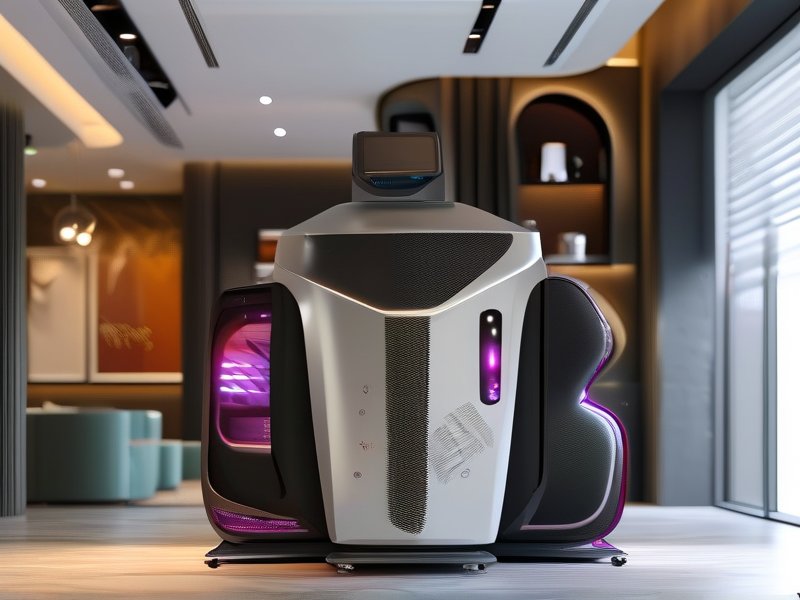
Introduction: The Evolution of Virtual Workspaces
In an era defined by digital transformation, the traditional boundaries of workspaces are dissolving faster than ever. The rise of cloud PCs has revolutionized how businesses and individuals access computing power, enabling seamless collaboration and productivity across continents. Solutions like EdgeNode Cloud PC exemplify this shift, offering scalable virtual desktops that transcend geographical limitations. This article explores how next-gen virtual workspaces empower organizations to harness global talent pools, enhance security, and unlock innovation in unprecedented ways.
Core Advantages of Cloud-Based Virtual Workspaces
Cloud PCs redefine workplace flexibility through three core pillars:
- Unrestricted Accessibility: Employees can log into their personalized environments from any internet-connected device. For example, a developer in Tokyo can troubleshoot a New York-based server using a Chromebook while traveling.
- Scalability on Demand: Businesses no longer need hardware upgrades during peak seasons. Retailers like "GlobalGrocers" scaled their Cloud PC fleet by 40% during holiday sales without physical infrastructure changes.
- Centralized Security: Data remains safely stored in the cloud, reducing risks of physical device theft. Financial institutions using EdgeNode's solution reported a 65% reduction in unauthorized access attempts.
These features create a compelling value proposition for modern enterprises. Consider this scenario: A multinational construction firm deploys Cloud PCs to field engineers. Using rugged tablets in remote sites, they access AutoCAD designs stored in the cloud, collaborate with architects in real-time, and maintain strict compliance with data sovereignty regulations.
Practical Implementation Strategies
Successfully adopting cloud-based workspaces requires strategic planning. Here are actionable steps for organizations:
- Assess Compute Requirements: Determine if applications need GPU acceleration or specialized software. Marketing teams needing Adobe Suite might require higher-tier cloud PCs than customer support teams.
- Optimize Network Infrastructure: Ensure minimum 20 Mbps upload speeds for smooth performance. Companies like "TechGlobal" implemented local caching strategies to reduce latency for video conferencing.
- Implement Multi-Factor Authentication (MFA): EdgeNode users saw a 90% drop in phishing incidents after enabling MFA across all access points.
For individual users, tips include:
- Use cloud PCs for resource-heavy tasks (video editing, 3D modeling) while keeping lightweight tasks on local devices
- Regularly update virtual desktop configurations to match evolving workflow needs
- Take advantage of session persistence - resume work exactly where you left off after system crashes
Practical examples highlight these principles in action: A freelance graphic designer based in Bali uses an EdgeNode Cloud PC to access Windows-based software from her Mac, while a remote engineering team in South Africa collaborates with German HQ using synchronized cloud storage.
Future Implications and Emerging Trends
As 5G networks and edge computing mature, next-gen virtual workspaces will evolve further:
- AI-Powered Workflows: Imagine cloud PCs that automatically optimize resources based on user behavior patterns
- Augmented Reality Integration: Mixed reality headsets accessing cloud PCs could create holographic workspaces
- Quantum-Ready Infrastructures: EdgeNode's recent partnerships suggest future-proofing against emerging quantum computing demands
Organizations should prepare by:
- Building cloud-native mindsets among IT teams
- Investing in hybrid cloud strategies combining public and private resources
- Prioritizing interoperability with IoT devices and smart office ecosystems
Despite these advancements, challenges remain. Cybersecurity threats grow more sophisticated, requiring ongoing vigilance. However, solutions like EdgeNode's zero-trust architecture demonstrate how proactive measures can mitigate risks while maintaining usability.
Conclusion: Embracing the Borderless Future
The next-gen virtual workspace isn't just a technological upgrade - it's a paradigm shift enabling true global collaboration. By strategically adopting cloud PCs and keeping pace with emerging trends, businesses can:
- Reduce operational costs by up to 40% through hardware consolidation
- Improve employee satisfaction through flexible work options
- Accelerate innovation through frictionless resource access
As we stand on the precipice of this new era, the question isn't whether to adopt cloud-based workspaces, but how to maximize their potential. Solutions like EdgeNode's Cloud PC provide the foundation to unlock this power - unleashing productivity beyond borders, today and into the future.