
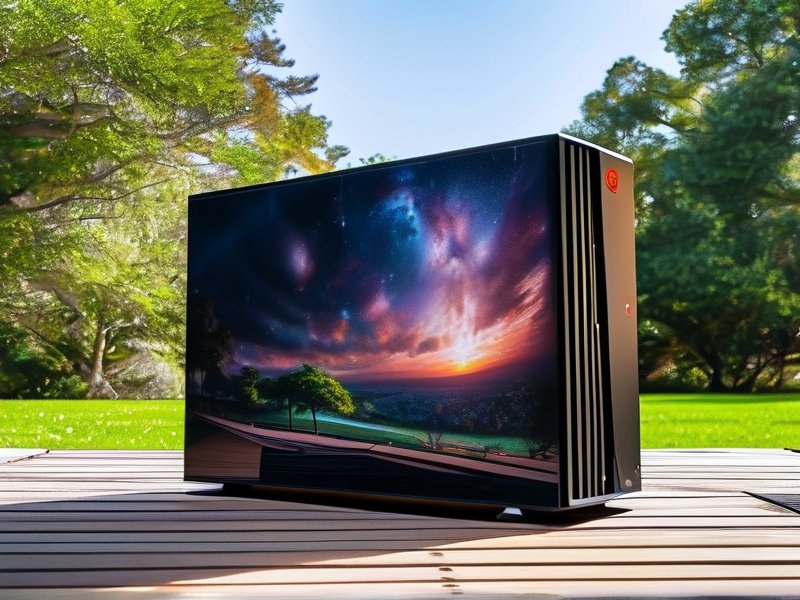
Edge-Powered Workstations: Redefining Remote Computing Standards
Remote work has become a cornerstone of modern business and personal productivity, but traditional solutions like cloud-based computing have struggled to meet the demands of high-performance, low-latency applications. Enter edge-powered workstations—a transformative technology that bridges the gap between local computing power and cloud capabilities. By leveraging edge computing, these workstations are redefining remote computing standards, offering unparalleled performance, security, and flexibility. This article explores how edge-powered workstations operate, their advantages over legacy systems, and their real-world impact across industries.
--- ###1. The Evolution of Remote Work: From Cloud Reliance to Edge Empowerment
Over the past decade, remote work has evolved from a niche practice to a global necessity. Early adopters relied on cloud-based solutions like Cloud PCs, which centralized computing resources in data centers. While cost-effective and scalable, these systems faced inherent limitations:
- Latency Issues: Data had to travel long distances between users and centralized servers, leading to delays in real-time applications.
- Bandwidth Constraints: High-resolution graphics, large datasets, and complex workloads strained internet connections, causing buffering or crashes.
- Security Vulnerabilities: Centralized data storage increased exposure to cyberattacks, especially as remote teams expanded.
Edge-powered workstations address these challenges by decentralizing compute resources. Instead of relying solely on distant data centers, edge nodes—small, high-performance servers located closer to end-users—process critical tasks locally. This architecture reduces latency, optimizes bandwidth usage, and enhances security by minimizing data exposure. For instance, platforms like EdgeNode Cloud PC combine edge computing with cloud flexibility, enabling users to run resource-heavy applications seamlessly from anywhere.
--- ###2. How Edge-Powered Workstations Work: Technology and Architecture
Edge-powered workstations operate on a hybrid architecture that merges the strengths of edge computing and cloud infrastructure. Here’s a breakdown of their core components:
- Edge Nodes: These are distributed servers placed near users or devices. They handle real-time computations, such as rendering graphics, processing AI models, or analyzing sensor data, ensuring minimal delay.
- Cloud Integration: Non-time-sensitive tasks (e.g., file storage, user authentication) are offloaded to the cloud, leveraging its scalability and cost-efficiency.
- Smart Resource Allocation: Algorithms dynamically distribute workloads between edge nodes and the cloud based on latency requirements, bandwidth availability, and computational needs.
For example, in a virtual design studio, an edge node might render 3D models locally while storing project files in the cloud. This setup allows real-time collaboration without compromising performance. Additionally, edge nodes often incorporate advanced security features like encryption, multi-factor authentication, and intrusion detection, creating a robust defense against cyber threats.
Platforms like EdgeNode Cloud PC exemplify this architecture. They offer customizable virtual workspaces with GPU acceleration, allowing remote teams to run CAD software, video editing tools, or machine learning frameworks as if on a high-end desktop. Users can switch between edge and cloud resources seamlessly, optimizing costs and performance.
--- ###3. Real-World Impact: Transforming Industries and User Experiences
Edge-powered workstations are not just theoretical improvements—they’re driving tangible changes across industries:
#### **Healthcare**- Medical professionals use edge-powered tools to analyze MRI scans in real time, reducing diagnosis delays.
- Remote surgery robots leverage edge computing for precise, low-latency control, enabling specialists to operate across continents.
- Traders access real-time market data via edge nodes, executing split-second decisions without lag.
- Edge-powered authentication systems ensure secure, instant verification for digital banking transactions.
- Cloud gaming platforms, such as those built on edge infrastructure, deliver console-quality games to low-end devices with negligible input lag.
- Live streaming platforms use edge nodes to compress and distribute high-definition video in real time.
- Assess Latency Requirements: Prioritize edge solutions for tasks needing real-time processing (e.g., video conferencing, AI inference).
- Choose Scalable Providers: Opt for platforms like EdgeNode Cloud PC that allow on-demand resource scaling.
- Ensure Compliance: Verify that edge solutions meet industry-specific regulations (e.g., HIPAA for healthcare).
4. The Future of Remote Computing: Edge as the New Standard
As edge computing matures, its integration with workstations will become pervasive. Emerging trends like 5G networks and AI-driven edge analytics promise even lower latency and smarter resource management. For organizations, the shift to edge-powered workstations isn’t just about upgrading tools—it’s about future-proofing operations in an increasingly distributed world.
Whether you’re a remote developer requiring GPU-heavy tools or a global enterprise seeking secure, scalable computing, edge-powered workstations offer a clear path forward. By embracing this technology, users and businesses can enjoy the best of both worlds: the power of local computing and the reach of the cloud.
Ready to redefine your remote computing experience? Explore solutions like EdgeNode Cloud PC to unlock edge-powered performance today.